Kimi K3.1 Pro added
Kimi K3.1 Pro combined short browser-tool traces with scripted game checks, including a playable route through Platformer Dave.
Kimi K3.1 Pro used fewer calls to the browser tool than MiniMax M3.1 Flash on 33 of the same 35 tasks: a median of eight versus 23. That count leaves out an interesting part of Kimi’s process: six sessions also attempted custom Playwright or Node VM checks through the shell.
Platformer Dave is the clearest example. Its browser-tool trace contains just an inspection and one arrow-key input, but separate Playwright scripts drove timed movement and jumps, collected the trophy and reached the exit. Another route reached the exit without the trophy and received the locked-exit message. The scripts also exercised losing and restarting. The saved commands and returned game states make those checks traceable.
Space Invaders shows a concrete revision: after a scripted check returned a zero score, Kimi changed the Space-key handler to fire immediately during play. The next script returned a score of 25, then zero after Restart. Snake took a different route, extracting its JavaScript into a Node VM with mocked browser objects and assertions for turns, growth, collisions and a full-board win. Those checks cover logic rather than rendering.
Maze Generator is useful for following a longer debugging sequence. Temporary logs exposed a negative starting y-coordinate; Kimi changed the vertical offset calculation from the column count to the row count, removed the logs and reloaded. Together, these runs show why browser-tool counts alone miss some of the verification work. They document specific checks and revisions, rather than establish an overall quality ranking.
Top builds in this update
 OUTPUT
 OUTPUT
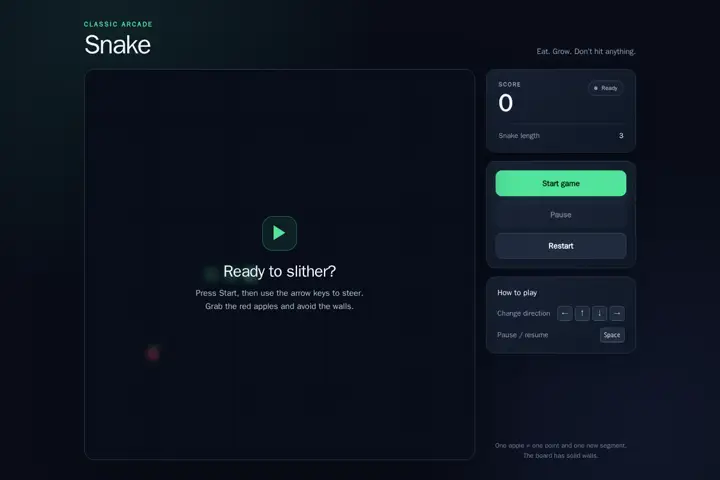 OUTPUT
 OUTPUT